
Nyepi: Balinese New Year and the Serenity of Silent Day
Nyepi, also known as Silent Day, is a significant Hindu holiday celebrated annually in Bali, Indonesia. This unique observance marks the Balinese New Year and is characterized by a day of complete silence, introspection, and self-reflection. In this blog post, we will delve into the rich cultural and spiritual significance of Nyepi, explore the rituals and traditions associated with this remarkable day, and discover how the Balinese people embrace the tranquility and serenity that silence brings. Join us as we uncover the secrets of Nyepi, a day like no other.
The Significance of Nyepi or Silent Day
Nyepi holds deep spiritual and cultural significance for the Balinese people. It is a time of introspection, purification, and renewal. The word “Nyepi” itself means “to keep silent” in the Balinese language. This day is dedicated to self-reflection, where individuals refrain from engaging in any activities that may disrupt the tranquility of the island.
Rituals and Preparations of Nyepi or Silent Day
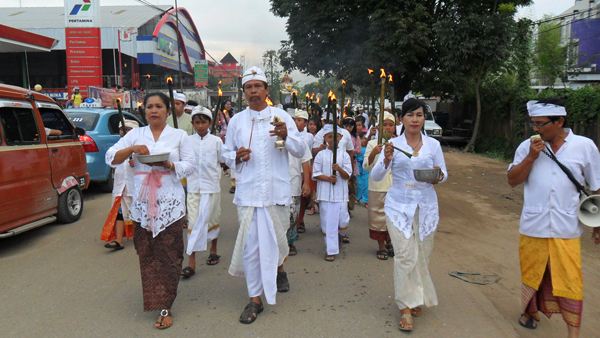
Before Nyepi begins, the Balinese people perform a series of rituals. One of the most prominent rituals is the “Melasti” ceremony, where sacred objects and effigies are paraded to the sea for purification. This ritual symbolizes the cleansing of the body, mind, and soul.
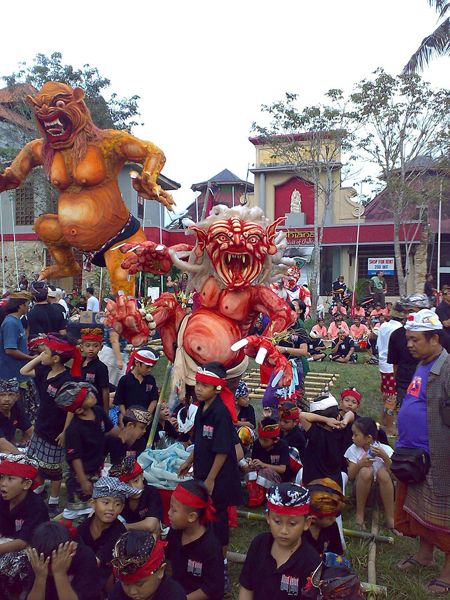
On the eve of Nyepi, Bali comes alive with the “Ngrupuk” parade. This vibrant procession involves the creation of “ogoh-ogoh” statues, which represent evil spirits. The statues are paraded through the streets accompanied by music, dance, and enthusiastic crowds. The purpose of this tradition is to ward off negative energies and purify the environment.
Nyepi: A Day of Silence
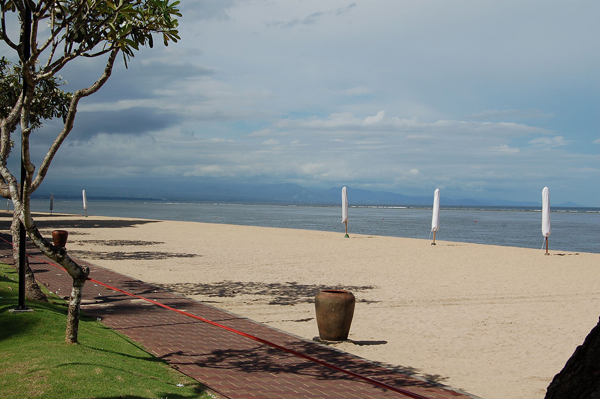
Nyepi is a unique day when the entire island of Bali falls into absolute silence. All businesses, including the airport and seaports, cease their operations. The streets are empty, and no noise is allowed. Even the use of electricity is limited, and lights are dimmed throughout the night.
During this day, Balinese Hindus observe “Catur Brata Penyepian,” which translates to “Four Silent Prohibitions.” These include amati geni (no fire or light), amati karya (no work), amati lelungan (no traveling), and amati lelanguan (no entertainment). All the bussy places, tourism destination such as Tegenungan Waterfall, Tirta Empul Temple, ect include the Bali Airport also completely closed for 24 hours. The goal is to create a peaceful atmosphere that allows individuals to focus on self-reflection, meditation, and connecting with their spiritual selves.
Embracing Serenity and Introspection
Nyepi provides a rare opportunity for the Balinese people to disconnect from the fast-paced world and reconnect with their inner selves. Families and communities spend the day engaging in religious rituals, meditation, prayer, and spending quality time together. It is a time to appreciate the beauty of nature, read spiritual texts, and cultivate personal growth.
Conclusion
Nyepi, the Silent Day, is a cherished Balinese tradition that offers a profound experience of tranquility and self-reflection. It serves as a reminder of the importance of finding inner peace and reconnecting with our spiritual selves amidst the chaos of modern life. Nyepi stands as a testament to the rich cultural heritage of Bali and the Balinese people’s deep-rooted commitment to their traditions. Let us learn from the silence of Nyepi and strive to incorporate moments of peace and introspection into our own lives. If you want to know more about Nyepi or Silent Day in Bali, you can contact Putu at Ragane Bali Tour to discuse or talk through WhatsApp.
As you can see, Nyepi is not just a day of silence but a profound cultural and spiritual experience.


