
Kecak and Fire Dance Bali: The Story Behind the Famous Epic
If you’re visiting Bali, then one of the must-see cultural performances is the Kecak and Fire Dance Bali. This is a fascinating spectacle that takes place in the evening, and it’s a unique experience that you won’t find anywhere else in the world. In this blog post, we’ll take a closer look at the history and meaning of the Kecak and Fire Dance Bali, and we’ll explore why it has become such an iconic part of Balinese culture.
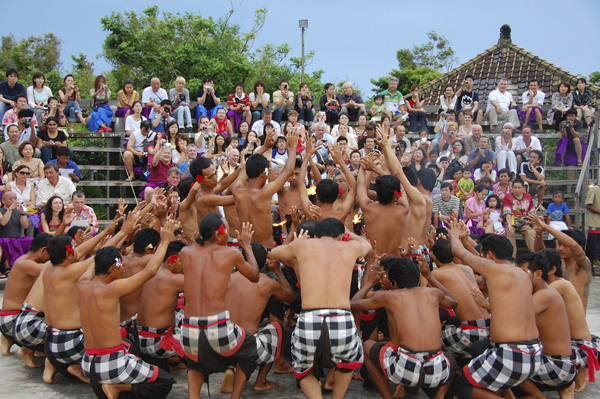
The Origins of the Kecak and Fire Dance
The roots of Kecak Dance can be traced back to ancient Balinese rituals and folklore. It evolved from a trance-like exorcism dance called Sanghyang, which aimed to ward off evil spirits. In the 1930s, a German artist named Walter Spies collaborated with Balinese artist Wayan Limbak to create a new dance form, incorporating elements of Sanghyang and the Hindu epic, Ramayana. Thus, Kecak Dance was born, blending spirituality, mythology, and artistic expression.
Over time, the Sanghyang evolved into the Kecak, which is a dance that is performed by a group of men. The Kecak is unique in that it doesn’t use any musical instruments – instead, the dancers use their voices to create a rhythmic chant that forms the basis of the performance. The chant consists of the syllables “cak” and “kecak,” and it’s repeated over and over again throughout the dance.
The Kecak and Fire Dance also incorporates elements of the Hindu epic Ramayana. The story of the Ramayana is well-known throughout Southeast Asia, and it tells the tale of Prince Rama’s quest to rescue his wife Sita from the demon king Ravana. The Kecak and Fire Dance focuses on the scene where Prince Rama enlists the help of the monkey army to defeat Ravana and rescue Sita.
The Mythological Narrative of Ramayana
At the heart of the Kecak and Fire Dance lies the timeless Indian epic, Ramayana. This ancient tale narrates the heroic journey of Prince Rama in his quest to rescue his wife, Princess Sita, who was abducted by the demon king Ravana. The dance performance skillfully depicts the story’s key episodes, portraying the triumph of good over evil and the power of devotion.

The Performance of the Kecak Dance
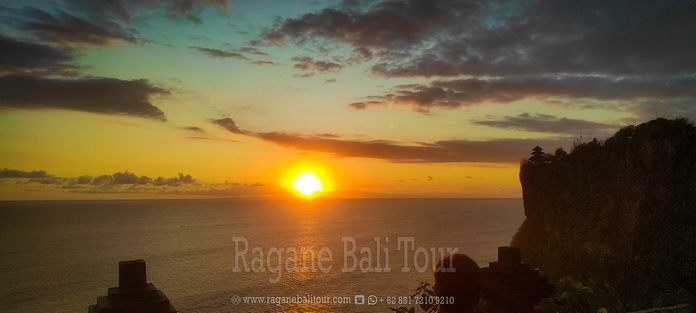
The Kecak and Fire Dance Bali is performed in an open-air amphitheater, usually in the evening when the sun has set. The dancers wear traditional Balinese dress, and the performance is accompanied by a fire dance that takes place at the center of the stage.
The dance begins with the chant of the Kecak, as the men sit in a circle around the fire. As the chant builds in intensity, the dancers start to move, their bodies swaying to the rhythm of the chant. The dance then progresses to the story of the Ramayana, with the dancers acting out the roles of Prince Rama, Sita, and the monkey army.
As the performance reaches its climax, the fire dance begins. This is a stunning visual display, as the dancers manipulate flames and create intricate patterns with the fire. The dance ends with the triumphant defeat of Ravana, and the rescue of Sita by Prince Rama.
Why the Kecak Dance is a Must-See
The Kecak and Fire Dance is more than just a cultural performance – it’s a celebration of Balinese tradition and history. The dance has been performed for centuries, and it’s a testament to the enduring spirit of the Balinese people.
For visitors to Bali, the Kecak and Fire Dance is a unique and unforgettable experience. The chanting of the Kecak is hypnotic, and the fire dance is a breathtaking spectacle that will leave you in awe. The performance is a must-see for anyone interested in Balinese culture, and it’s a fantastic way to immerse yourself in the history and traditions of this beautiful island.
The Kecak and Fire Dance is a popular cultural performance in Bali, Indonesia. It is typically held in the evenings, around sunset. The best time to visit and experience the Kecak and Fire Dance can vary depending on a few factors.
Weather: Bali has a tropical climate, and the weather can impact your experience. It’s generally advisable to visit during the dry season, which runs from April to September. During this period, you are less likely to encounter heavy rainfall, which could potentially disrupt the outdoor performance.
Performance Schedule: The Kecak and Fire Dance is performed at various locations in Bali, including Uluwatu Temple, Tanah Lot, and Ubud. Each venue may have different performance schedules. It’s recommended to check the local schedules and timings in advance to plan your visit accordingly.
Crowd and Atmosphere: Bali is a popular tourist destination, and certain times of the year can be more crowded than others. If you prefer a more intimate and less crowded experience, it’s advisable to visit during the shoulder seasons (April to June and September to November) rather than the peak tourist season (July and August). Additionally, arriving early to secure a good spot can enhance your viewing experience.
In summary, the best time to visit and enjoy the Kecak and Fire Dance in Bali is during the dry season (April to September), preferably during the shoulder seasons for fewer crowds. Remember to check the performance schedules of the specific venues you’re interested in and arrive early to ensure a good view. Try to check HERE, for a package of trip including Kecak and Fire Dance, or chat through WhatsApp with Putu. Make sure you book the full experience trip with Ragane Bali Tour, and check HERE what did they say when they use our services.
Conclusion
The Kecak and Fire Dance is a truly unique cultural performance, and it’s easy to see why it has become such an iconic part.


