
Balinese Offering Canang Sari: All You Need To Know
Immerse yourself in the enchanting culture of Bali, and you will undoubtedly come across the captivating sight of intricately crafted offerings adorning every corner. Among the myriad of offerings in Balinese culture, the Canang Sari stands out as one of the most significant and visually appealing. In this article, we will delve into the depths of this sacred practice, exploring its origins, symbolism, and the intricate process of creating a Canang Sari. Join us on a journey to discover the beauty and spiritual significance behind the Balinese Offering Canang Sari.
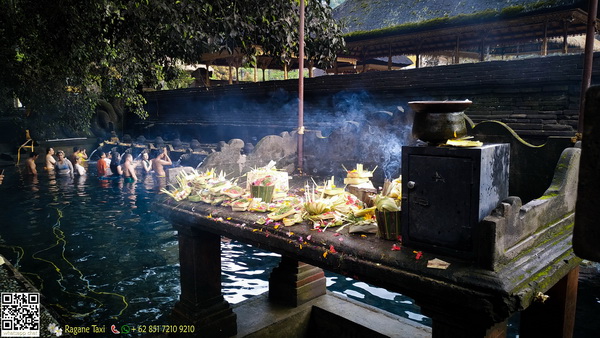
Origins and Significance of Balinese Offering Canang Sari
The Canang Sari holds deep roots in Balinese Hinduism, the predominant religion on the island. It is believed to have originated from the ancient Indian practice of making offerings to the gods. The word “Canang” comes from the Balinese word “cana,” which means beautiful or fragrant, while “Sari” translates to essence or core. Combining these elements, the Canang Sari is seen as a physical manifestation of gratitude, love, and respect towards the deities and ancestors.
Ritual and Symbolism of Balinese Offering Canang Sari
The Balinese people diligently perform the Canang Sari ritual every day as an integral part of their spiritual life. The offerings are meticulously crafted and placed in homes, temples, and even on streets and sidewalks. Each element of the Canang Sari holds significant symbolism: the square shape symbolizes the earth, while the specific colors used represent different gods and goddesses. Flowers, leaves, and even food items are artfully arranged, showcasing a harmonious union between nature and spirituality.

Preparation and Creation of Balinese Offering Canang Sari
Crafting a Canang Sari requires careful attention to detail and a deep understanding of the ritualistic practices. The process starts by selecting fresh and vibrant flowers, such as marigolds, jasmine, and frangipani, which are chosen for their beauty and heavenly fragrance. These flowers are then woven into a small palm-leaf tray, forming the base of the offering. Additional elements like pandan leaves, betel nuts, and even small amounts of food are added, symbolizing sustenance and prosperity.
Offering Placement and Ritual
Once the Canang Sari is meticulously crafted, it is placed in specific locations around homes, temples, and even on the ground. Balinese people believe that by offering these beautiful creations, they attract positive energy and blessings into their lives. These offerings are also meant to appease the spirits and ensure harmony between the spiritual and physical realms. The act of making the offering is accompanied by prayers, incense, and occasionally sprinkling holy water.
Cultural Appreciation and Respect
Experiencing the Canang Sari ritual firsthand offers visitors a unique opportunity to connect with the profound spirituality of Balinese culture. As a visitor, it is essential to approach these offerings with respect and admiration. Observing without disrupting the arrangements and appreciating the intricate artistry is a meaningful way to honor the Balinese people and their religious customs.
Conclusion
The Balinese Offering Canang Sari is a captivating symbol of gratitude, love, and devotion deeply embedded in the island’s culture and spirituality. Its origins, ritualistic practices, and symbolic elements showcase the harmonious relationship between nature and religious beliefs. Canang Sari are a beautiful and meaningful part of Balinese culture and religion. Whether you’re visiting Bali for the first time or have been coming for years, taking the time to learn about and appreciate these offerings can deepen your understanding and appreciation of this unique and vibrant island.


